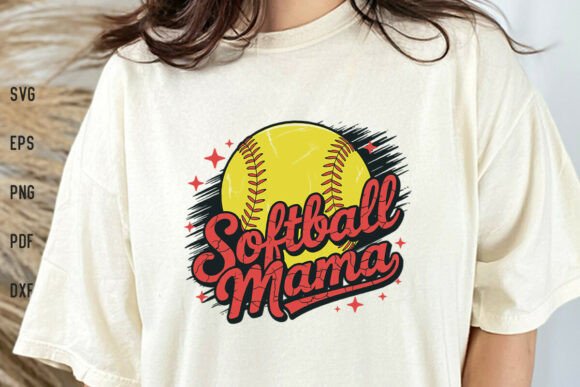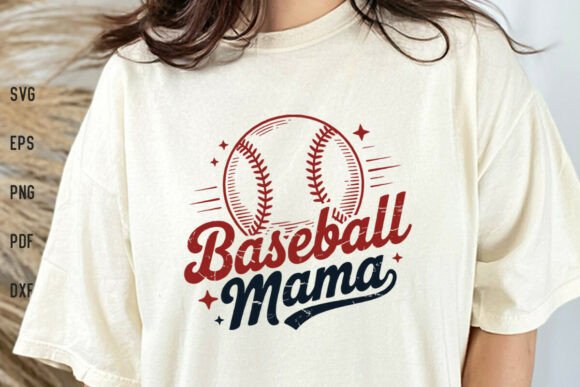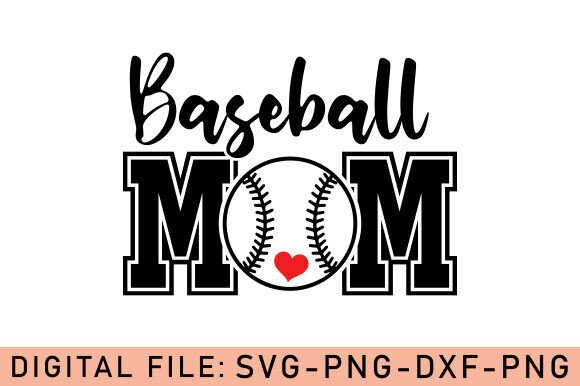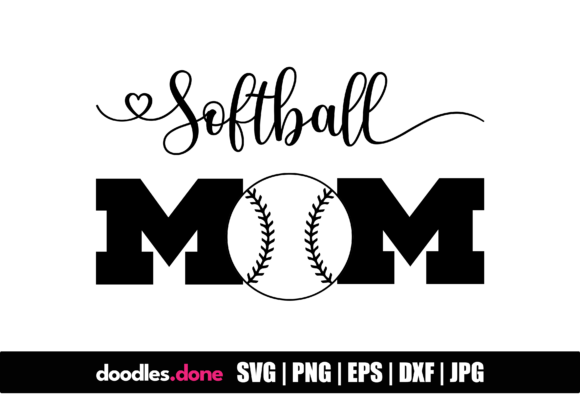
Softball Mom SVG & Baseball Mom SVG Review
As a professional embroidery digitizer and product reviewer, I approach every new graphic asset with a specific question: will this actually stitch out cleanly on real fabric? When evaluating the Softball Mom SVG, Baseball Mom SVG collection, my focus shifts immediately from screen aesthetics to production viability. This design set, which includes baseball outlines, clip art, vectors, and cut files across five standard formats (SVG, PNG, EPS, DXF, JPG), targets a high-demand niche in the crafts and graphics market. However, for small business owners and Etsy sellers, the true value lies not just in owning the file, but in understanding how these vector lines translate into satin stitches, fill stitches, and running stitches on physical merchandise.
First Impressions: Visual Weight and Stitch Translation
Upon opening the vector files, the first thing I assess is line clarity. For a machine embroidery design, crisp vectors are non-negotiable. The Softball Mom SVG and Baseball Mom SVG assets present clean, confident lines that suggest they were created with crafting in mind. The visual mood is spirited yet legible, striking a balance between sporty aggression and maternal pride. This duality is essential for custom apparel; the design needs to look tough enough for the field but polished enough for a boutique listing.
From a digitizing perspective, the outline variations included in this pack are particularly promising. A clean baseball outline SVG is often the foundation for a successful applique design. Rather than relying solely on dense fill stitch areas—which can cause puckering on stretchy fabrics or add unnecessary bulk to a baby embroidery project—these outlines allow for versatile interpretation. I can visualize using the thicker vector lines as guide marks for placement stitches, while thinner details might require conversion to running stitches to maintain fabric integrity. The inclusion of both softball and baseball variants ensures brand consistency for shops serving mixed-sport families, allowing for cohesive collections across different finished products.
Real-World Application: The Custom Tote Bag Test
To truly judge this asset, I mentally place it in a real-life production scenario. Consider a custom embroidered tote bag intended as a personalized gift for a team mom. Canvas tote bags are a staple for craft businesses, but they present unique challenges due to their textured weave and lack of stretch. Using the Softball Mom SVG for this project requires careful planning regarding stitch density and stabilizer choice.
In this scenario, I would likely utilize the baseball or softball graphic as a central focal point, potentially incorporating an applique technique to reduce stitch count and add tactile interest. The text elements within the "Mom" typography need to be evaluated for legibility at scale. If the letters are too thin in the vector file, they may disappear into the canvas texture during stitching. Conversely, if they are too thick without proper underlay, they could create a stiff, board-like area on the bag. For a sweatshirt embroidery project, the concerns shift to stretch recovery. Here, the Baseball Outline SVG serves as an excellent candidate for a puff foam effect or a simple outline stitch that moves with the garment, whereas a heavy fill stitch version of the same design might distort after washing. This versatility makes the design pack valuable for makers who produce diverse inventory ranging from holiday embroidery gifts to everyday commercial embroidery items.
Navigating Fabric Limitations and Hoop Constraints
While the Softball Mom SVG and Baseball Mom SVG designs are versatile, they demand respect for material limitations. Not every vector translates perfectly to every substrate. When working with dark fabrics, contrast is king. A navy blue softball graphic on a black t-shirt will fail visually unless outlined in white or metallic thread. In such cases, the provided PNG and JPG files become crucial for creating printable mockups to test color combinations before committing thread to fabric.
Small hoop sizes present another critical checkpoint. Detailed corners in sports equipment graphics can become muddy when scaled down for a baby clothes tag or a cap logo. Before resizing any digital embroidery file, you must inspect the smallest internal spaces. If the gap between stitching lines falls below 1mm, the needle perforations may compromise the fabric. For caps specifically, the curvature adds complexity. A flat baseball vector must sometimes be warped or segmented to accommodate the dome of a hat without causing registration errors. Additionally, layered garments like aprons or pillow covers require adequate stabilization. Using the wrong stabilizer with a dense version of this design could result in tunneling or flagging. Always verify that your chosen hoop size accommodates the full design plus necessary margin for hooping tension.
Elevating Product Value Through Professional Execution
The difference between a hobbyist output and a professional handmade product often comes down to finish quality. Utilizing the Softball Mom SVG and Baseball Mom SVG effectively can significantly enhance customer trust and perceived value. When a client sees crisp lettering and balanced proportions on an embroidered patch or tea towel, they recognize the craftsmanship. This directly impacts buyer engagement on platforms like Etsy, where photos of finished items drive sales.
For digital product sellers and creative entrepreneurs, these assets also serve as foundational building blocks. The EPS and DXF formats allow for easy editing in vector software before importing into embroidery digitizing programs. This interoperability means you can customize the design—perhaps adding a player’s number or changing the font style—to create unique listings that stand out in a saturated market. However, professionalism also means ethical usage. Always confirm licensing terms before selling finished items or modified digital assets. Understanding whether you have rights for commercial embroidery versus personal use protects your business and respects the original creator. Furthermore, testing designs in black and white mockups helps identify value contrast issues that color mockups might hide, ensuring the final stitched product looks as good in person as it does online.
Essential Designer Notes for Production Success
Before loading the Softball Mom SVG or Baseball Mom SVG into your machine, adhere to these practical protocols to ensure optimal results:
- Test on Scrap Fabric First: Never assume a digital file will stitch perfectly on your target material. Run a sample on similar weight and texture fabric to check for pull compensation issues.
- Verify Thread Color Contrast: Ensure the design remains visible against your chosen background. Use high-contrast threads for dark fabrics and tonal threads for subtle, textured looks.
- Review Stitch Density: If converting vectors to stitches manually, adjust density based on fabric type. Lightweight knits require lower density; heavy canvas can handle more coverage.
- Confirm Hoop Size Compatibility: Measure the design dimensions carefully. Ensure there is sufficient space around the design for proper hooping tension without distorting the artwork.
- Inspect Small Details: Zoom in to check minimum stitch lengths and spacing. Redesign or remove elements that are too small to stitch cleanly to prevent needle breaks or fabric damage.
- Utilize Mockups Strategically: Use the included PNG and JPG files to create realistic previews for clients. Test both light and dark backgrounds to anticipate visibility issues.
- Select Proper Stabilizer: Match stabilizer weight and type to the fabric and design density. Cut-away for stretchy knits; tear-away for stable wovens; water-soluble for napped fabrics.
- Check Licensing Terms: Before listing any finished product or derivative digital file for sale, verify the specific commercial usage rights associated with this zip file package.
Ultimately, the Softball Mom SVG and Baseball Mom SVG collection offers robust potential for the serious maker. By treating these graphics not just as images, but as blueprints for textile construction, you transform a simple download into a profitable, professional-grade embroidery project. Whether you are crafting a personalized gift for a loved one or scaling up production for a craft business, success lies in the thoughtful intersection of digital design and tangible execution. Take the time to understand the nuances of stitch types, fabric behavior, and visual hierarchy, and these assets will serve as reliable pillars in your creative portfolio.