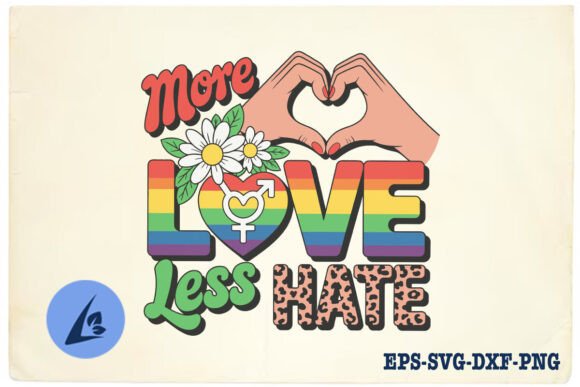
More Love Less Hate LGBT Pride Mom SVG Review
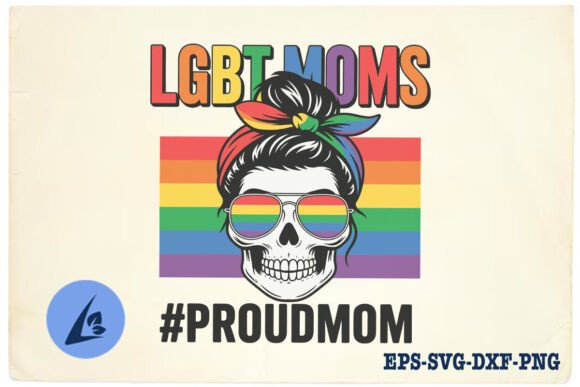
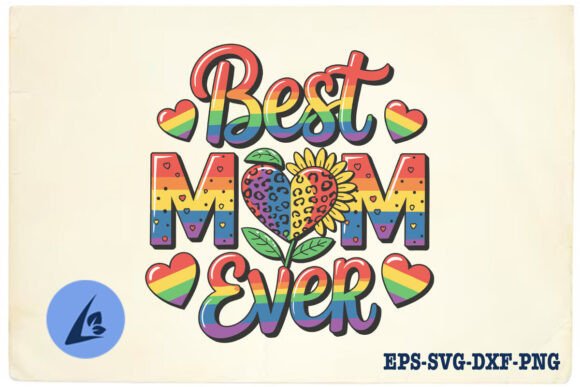
As a professional embroidery digitizer and product reviewer, I approach every new graphic with a specific question: will this translate beautifully from screen to stitch? When evaluating the More Love Less Hate LGBT Pride Mom SVG, my focus shifts immediately from its digital aesthetic to its practical performance as a machine embroidery design. This graphic carries a powerful, positive message that resonates deeply within the crafting community, but for those of us running a craft business or creating personalized gifts, emotional impact must be matched by technical viability. My initial impression is one of bold clarity. The layout suggests a design that relies on strong typography and distinct color blocking, which is generally excellent for embroidery. However, because this file is marketed primarily as a high-resolution PNG for DIY printables and iron-on transfers, we must carefully assess how these Graphics function when converted into stitches for custom apparel and handmade products.
Translating Bold Typography to Thread
The phrase "More Love Less Hate" inherently demands legibility. In my experience designing for Etsy sellers and small shop products, text-heavy designs live or die by their stitch definition. When adapting this SVG for an embroidery project, the first consideration is whether the lettering lends itself to satin stitch columns or requires fill stitch. If the font in the original vector is thick and rounded, it is likely a candidate for beautiful satin borders that catch the light. However, if the design features distressed textures or grunge effects common in modern Pride graphics, you will face challenges. Embroidery machines cannot replicate pixelated distress without creating excessive jump stitches or thread breaks. For a clean, professional finished product, I recommend simplifying any textured elements into solid shapes before digitizing. This ensures the sweatshirt embroidery or tote bag design remains durable and visually crisp after washing.
Color management is another critical factor. As an LGBT Pride themed asset, this design likely utilizes a vibrant spectrum. When planning thread colors, remember that rayon and polyester threads reflect light differently than ink on paper. A gradient that looks seamless in a printable mockup may appear banded or muddy in thread. I advise testing your color palette on scrap fabric first. For commercial embroidery projects intended for sale, ensure your thread choices maintain sufficient contrast against both light and dark garments. A design that pops on a white baby onesie might disappear entirely on a navy blue cap unless you add a white underlay or outline running stitch to define the edges.
Real-World Application: The Custom Tote Bag Test
To truly evaluate this design, I mentally placed it onto a canvas tote bag, a staple item for many makers and boutique owners. Tote bags offer a stable, woven surface that is forgiving for beginners yet popular for holiday embroidery and market merchandise. In this scenario, the More Love Less Hate LGBT Pride Mom SVG serves as a central focal point. Because totes are functional items subject to wear, stitch density becomes paramount. If you are converting this graphic yourself, avoid overly dense fill areas that could make the bag stiff or cause needle penetration issues. Instead, opt for a balanced density that secures the fabric without creating a bulletproof patch of thread.
For a real-life client project, imagine a mother requesting a personalized gift for herself featuring this slogan alongside her children's names. Here, the hierarchy of the design matters. The main slogan should utilize a heavier weight stitch, while the personalization uses a lighter, complementary font. This variation in texture adds value to the handmade product and prevents the design from looking like a generic factory print. When positioning on the tote, leave adequate margin from the seams and handles. Hoop size selection is crucial here; using a hoop that is too large can lead to fabric distortion, while one that is too small risks hitting the machine foot. Always center the design visually, not just mathematically, to account for the bag’s natural drape.
Navigating Fabric Limitations and Stabilizer Choices
While this design shines on stable woven fabrics, caution is required for stretchy or textured materials. If you plan to use this for baby embroidery on knit onesies or performance wear, the lack of inherent stability in the fabric can distort the precise geometry of the lettering. You must use an appropriate cut-away stabilizer and potentially a water-soluble topping to prevent stitches from sinking into the fabric texture. For caps or curved surfaces, verify that the design height fits within your cap frame’s safe zone. Tall, stacked text often requires significant modification to wrap correctly around a curved brim without distorting the baseline.
Dark fabrics present another hurdle. If the More Love Less Hate LGBT Pride Mom SVG features light-colored text intended for dark backgrounds, you cannot simply change the thread color. You must digitize a proper underlay foundation to block out the garment color and provide a base for the top stitches. Without this, the dark fabric will bleed through, muddying the vibrant Pride colors. This step is non-negotiable for maintaining professionalism in your Etsy listings. Customers trust sellers who deliver consistent quality across different garment types, and proper underlay is the invisible secret to that consistency.
Commercial Viability and Professional Presentation
For creative entrepreneurs and digital product sellers, understanding the licensing and technical specs of this asset is vital. Since the product description highlights use for DIY printables and party decorations, you must confirm whether the license extends to commercial embroidery. Never assume that purchasing a PNG grants the right to sell embroidered patches or finished apparel. Clarifying this protects your business and respects the original artist. Furthermore, if you are selling the digitized embroidery file itself rather than the physical item, your testing process must be exhaustive. Provide buyers with accurate stitch counts, recommended hoop sizes, and fabric suggestions. A well-tested digital embroidery file builds brand authority and reduces customer support inquiries regarding registration errors or thread breaks.
Visual presentation also drives sales. When creating listing photos, do not rely solely on software-generated previews. Stitch out the design on actual fabric and photograph it in natural light. Show the More Love Less Hate LGBT Pride Mom SVG in context—on a model wearing the sweatshirt, or styled as part of a nursery decor flat lay. Real-world photos demonstrate scale, texture, and color accuracy far better than any digital rendering. For those offering personalized gifts, include images of the design with sample customizations to help buyers visualize the final result. This transparency increases conversion rates and sets realistic expectations.
Essential Designer Checklist Before Stitching
- Verify File Integrity: Ensure the SVG paths are closed and clean before importing into digitizing software to prevent jagged stitch edges.
- Test Stitch Density: Run a sample on your target fabric to check for puckering or stiffness; adjust pull compensation as needed.
- Check Small Details: Inspect tiny hearts or accent marks; if they are smaller than 2mm, consider removing them or converting them to manual satin stitches to avoid bird nesting.
- Validate Color Contrast: View your thread chart against the actual garment fabric in daylight to ensure readability.
- Confirm Licensing: Double-check terms for commercial use, especially if incorporating the design into merchandise for sale.
- Mockup Accuracy: Use black and white mockups to test value contrast independent of color, ensuring the design reads well even in monochrome embroidery.
Ultimately, the More Love Less Hate LGBT Pride Mom SVG offers a meaningful foundation for a wide range of Crafts projects. Its success as an embroidery design depends entirely on your willingness to adapt it for the physical realities of thread and fabric. By approaching this graphic with a technician’s eye and a maker’s heart, you can transform a digital asset into a cherished, high-quality embroidered piece that honors both the message and the medium. Whether you are crafting a single personalized gift or stocking your shop with inclusive apparel, thoughtful preparation ensures your work stands out for its excellence.